
Culinary Arts Basics: Knife Skills That Will Change How You Cook
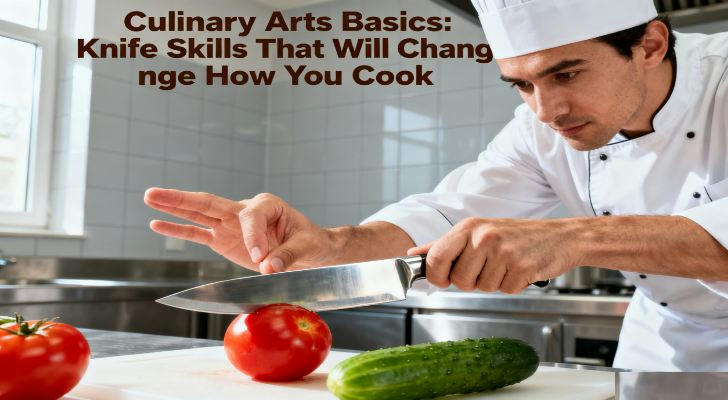
Good knife technique speeds prep, reduces waste, and lowers injury risk. This article explains essential skills, backs claims with injury and safety data, and offers a practical mini-routine to practice at home. 🔪✨
Scope: why knife skills matter
Proper cutting technique affects texture, cooking time, and plating.
Poor technique increases risk of cuts and food contamination.
Safety and efficiency on the cutting board make cooking less stressful and more enjoyable.
National emergency data show knife-related injuries are nontrivial; skill and habit change outcomes.
Quick data snapshot (real figures)
| Metric | Latest estimate |
|---|---|
| Estimated annual knife-related ED visits | ~434,259 per year (average, 1990–2008 study) |
| NEISS product-related reports annually | ~400,000 cases reported to NEISS systems |
| Total unintentional injury ED visits (recent) | ~26.2 million per year |
Analysis: Knife injuries form an appreciable share of consumer product-related ED visits. Improving skills targets both safety and efficiency.
Third-party validation and critique
Medical literature quantifies knife injuries and patterns in the U.S., confirming the scope of the problem.
Food-safety agencies emphasize hygiene tied to cutting boards and knives; poor handling elevates contamination risk.
Critical perspective: statistics span home and commercial settings. Transferability of professional techniques to home kitchens needs careful adaptation to time and tool availability.
Core skills to practice (simple list)
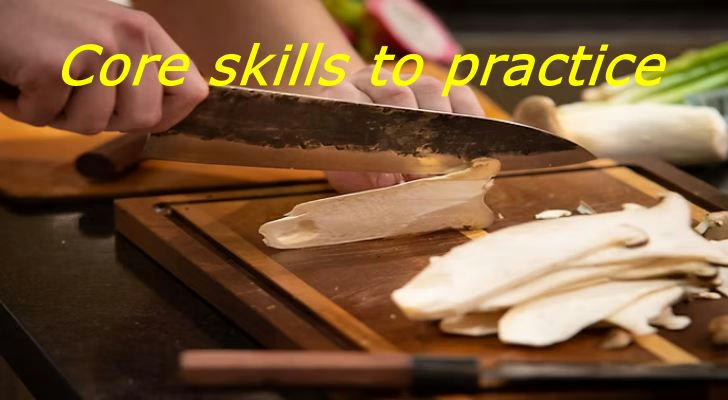
Grip: Pinch the blade near the bolster with thumb and forefinger; wrap remaining fingers on the handle.
Guide hand: Curl fingertips inward; use knuckles as a guide.
Rocking motion: Use a gentle rocking motion for herbs and small items.
Slice with the full blade: Engage heel-to-tip to protect wrist and get consistent slices.
Short practice sessions build muscle memory faster than long, infrequent drills.
A practical 10-minute daily drill (step-by-step)
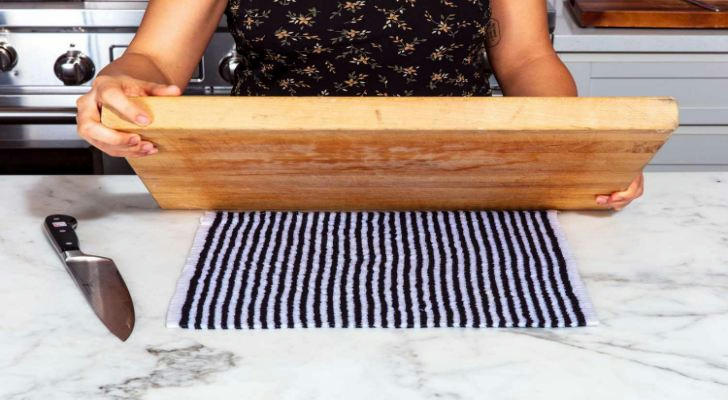
Set up: Damp towel under cutting board for stability.
Warm-up (2 min): Practice grip and mid-air guided cuts.
Control drill (4 min): Julienne a carrot, focus on even thickness.
Speed drill (4 min): Dice an onion while keeping guide hand safe.
Repeat five days to notice smoother motion and speed gains.
Sharpening and maintenance basics
Keep knives sharp; a dull blade slips and causes more accidents.
Use a sharpener or honing rod appropriate to the blade angle.
Wipe and dry knives after washing; store them safely to avoid nicks and accidental cuts.
Routine care preserves edge and reduces waste from uneven cuts.
Food safety and knife handling
Cross-contamination risk increases when the same board or knife touches raw meat and produce.
Clean and sanitize surfaces and tools between tasks.
National food-safety guidance links proper cleaning and handling to reduced foodborne illness risk.
Case study: from chaos to calm on a weeknight
Situation: Home cook struggled with uneven veg and a sliced fingertip scare.
Intervention: Adopted the 10-minute drill, switched to a stable board, and practiced pinch grip.
Outcome: Prep time shortened, fewer slips, and confidence improved. A minor early cut prompted more respectful technique rather than avoidance. Documentation of practice showed clear improvements.
Common errors and quick fixes
Error: Thumb tucks outward, exposing tip. Fix: Tuck thumb and curl fingers.
Error: Dull blade forces extra pressure. Fix: Hone before major prep.
Error: Board slides during cuts. Fix: Use damp towel under board for grip.
Small adjustments prevent common incidents and improve presentation.
Final checklist & practice motivation 😄
Daily: 10-minute drill (grip, guide hand, rocking).
Weekly: Hone blade and inspect board condition.
Safety: Clean between protein and produce, dry knives, and store securely.
Highlighted: Consistent short practice increases speed and reduces injury risk. Emphasize technique over haste for better results and a calmer kitchen. 🔪👩🍳👨🍳