
Spaced Repetition: How to Never Forget Vocabulary Words Again
Learning a new language can feel like a mountain to climb, especially when trying to memorize vocabulary. The good news is that there's a scientifically proven technique to help you retain vocabulary long-term: spaced repetition. This method, backed by decades of research, can make learning more efficient and ensure you never forget those tricky words again.

What Is Spaced Repetition? 🤔
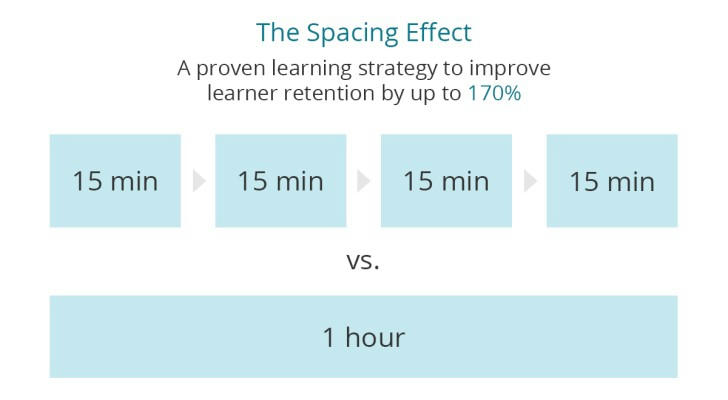
Spaced repetition is a learning technique based on the idea that information is more likely to be remembered when reviewed at increasing intervals. Instead of cramming all at once, the method encourages reviewing material multiple times over a period of days, weeks, or even months.
How It Works:
- The key principle is that you review a word or concept just before you're about to forget it.
- This helps strengthen the memory and prevent the forgetting curve, a phenomenon where information rapidly fades from memory after initial learning.
Why It’s Effective:
- According to cognitive science, long-term retention improves when the brain is given time to forget and then re-encode the material.
The Science Behind Spaced Repetition 🧠
Research from prominent cognitive scientists has shown that spaced repetition is one of the most powerful techniques for learning. The Ebbinghaus Forgetting Curve suggests that without repetition, a person forgets a large percentage of what they’ve learned within a day.
Ebbinghaus’s Discovery:
- In the late 1800s, Hermann Ebbinghaus discovered that forgetting happens rapidly within the first few hours of learning new information. But if you review the information after a set period of time, retention improves dramatically.
Optimal Intervals:
- Studies show that reviewing material after one day, then three days, then a week, and so on, optimizes long-term retention. This is why spaced repetition apps are designed to increase the time between reviews as you become more familiar with the material.
How to Implement Spaced Repetition 📅
To use spaced repetition effectively for vocabulary learning, follow these simple steps:
Choose Your Vocabulary:
- Select a list of words you want to learn. Focus on high-frequency words or those that are most relevant to your needs.
Set Review Intervals:
- Start with reviewing the words after 1 day, then 3 days, 7 days, 14 days, and so on.
- As you get more comfortable with certain words, extend the review intervals.
Use Flashcards:
- Write the vocabulary word on one side and the definition, translation, or an example sentence on the other. Review these flashcards at the intervals mentioned above.
Track Progress:
- Keep a log of the words you’ve reviewed. This helps you stay organized and ensures you’re consistently revisiting challenging words.
Spaced Repetition Software: A Helping Hand 💻
There are several apps and tools designed specifically for spaced repetition, making it easier to incorporate into daily practice. These tools automate the process of scheduling reviews and track your progress.
How Apps Work:
- Apps like Anki, Quizlet, or SuperMemo use algorithms to show you words at intervals based on your performance. If you remember a word easily, the app will delay the next review. If you struggle with a word, it will show up sooner.
Benefits:
- These apps eliminate the need for manual tracking and ensure that you’re always reviewing material at the optimal times.
Real-World Use:
- A 2016 study published in Psychological Science found that spaced repetition software like Anki significantly outperforms traditional study methods in vocabulary retention.
Common Mistakes to Avoid ❌
While spaced repetition is highly effective, there are common mistakes that learners should avoid:
Overloading Your Schedule:
- Trying to learn too many words at once can overwhelm your memory. Start with a manageable list and gradually increase the difficulty as you become more confident.
Not Consistently Reviewing:
- Missing review sessions defeats the purpose of spaced repetition. Be sure to stay consistent with your practice, even if it’s just a few minutes each day.
Ignoring Difficult Words:
- It’s tempting to skip over words that are hard to remember. However, these words need more frequent reviews. Don’t avoid them—embrace the challenge!
Real-Life Example: How Spaced Repetition Transformed Learning 🌟
Let’s look at a real-life example of how spaced repetition helped someone master a new language.
Sarah, 26, Learning Japanese:
- Sarah had always struggled with learning new vocabulary in Japanese. She used flashcards, but she couldn’t remember the words long-term. After discovering spaced repetition, she used Anki to track her progress. Over time, she saw a massive improvement in her retention, especially with kanji characters, which had always been a challenge.
James, 34, Learning Spanish:
- James had tried traditional methods for years, but his vocabulary retention was poor. He started using spaced repetition for his Spanish vocabulary. Within six months, he could recall thousands of words more easily, and his speaking confidence skyrocketed.
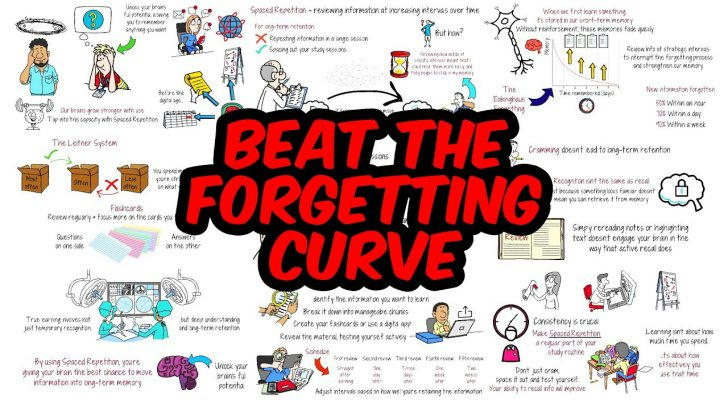
Table: Sample Spaced Repetition Schedule 📅
| Interval | Time After Initial Review | Action |
|---|---|---|
| Day 1 | 24 hours | Review word, repeat pronunciation |
| Day 3 | 3 days | Review, test recall and usage |
| Day 7 | 1 week | Review with context in sentences |
| Day 14 | 2 weeks | Review words, expand usage |
| Day 30 | 1 month | Reinforce weak words, test again |
| Day 60 | 2 months | Final review before long-term retention |
Why Spaced Repetition Works for Vocabulary 💡
The reason spaced repetition is so effective is due to its alignment with how human memory works. The brain strengthens neural connections each time a word is revisited. By spacing out the reviews, the brain solidifies those connections, making the vocabulary words much harder to forget.
Scientific Backing:
- Research from The National Institutes of Health (NIH) suggests that spacing out learning sessions improves the long-term consolidation of memory, making information easier to retrieve over time.
Real-World Application:
- Students, language learners, and even medical professionals use spaced repetition to retain complex information, proving its effectiveness in various fields.
Final Thoughts: Make Spaced Repetition a Habit ✨
Mastering vocabulary doesn’t have to be a tedious process. By using spaced repetition, you can ensure that the words you learn today stay with you for years to come. Whether you’re studying for a language exam or just trying to improve your communication skills, incorporating spaced repetition into your daily routine can significantly enhance your learning.
Remember, consistency is key. Stick with it, review regularly, and you’ll find that vocabulary retention becomes easier, faster, and more effective over time. 💪