
📱 Digital Detox Apps: Locking Your Phone to Pass the Bar Exam?
The journey to becoming a practicing attorney in the U.S. culminates in the intensive, months-long preparation for the Bar Exam. This period demands extreme focus, yet students face unprecedented levels of digital distraction from their smartphones. This article explores the growing trend of utilizing "digital detox" or productivity-locking applications as a strategic tool for students seeking to maximize study hours and conquer the Bar Exam's formidable demands.
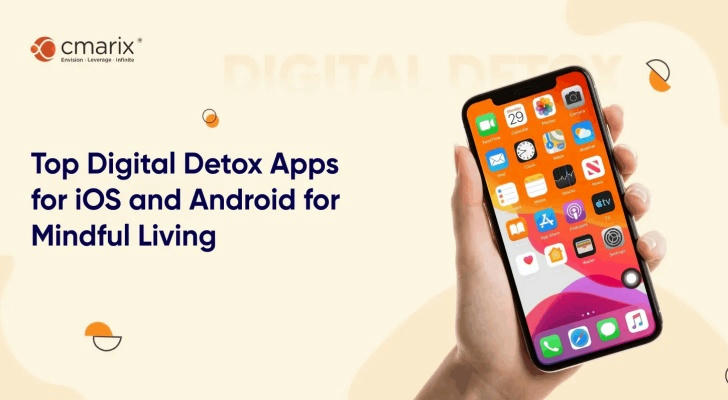
The Anatomy of Distraction 🧠
Smartphones, while essential for modern life, are engineered to capture attention through continuous notifications, alerts, and endless feeds. For a law student needing to internalize complex legal principles, this constant interruption creates significant cognitive roadblocks.
- Context Switching: Every notification forces the brain to shift focus, degrading the depth of study time.
- The Bar Exam Challenge: The exam requires sustained attention across long, high-stakes sessions, necessitating rigorous mental training beforehand.
- The Study Grind: Thousands of focused hours are required to master the volume of material, making distraction a critical threat to success.
Introducing the Focus Tool Category ⏱️
A category of specialized productivity applications has emerged to combat this digital pull. These tools are designed not just to mute, but to proactively lock down distracting features for defined periods.
- Functionality: They often integrate a timer or clock, penalizing the user for attempting to exit the focused session prematurely.
- Purpose: The goal is to create a digital environment that mimics the isolated concentration required in the testing center.
- Mechanism: Many apps use techniques like the Pomodoro method or deep-focus modes, making the phone a utility rather than a source of entertainment.
Operational Procedure: Implementing a Digital Lock 🔒
Adopting one of these lock-down applications requires conscious setup and adherence to a strict protocol. Effective use transforms the phone from a distraction device into a study assistant.
- Define a Block List: Identify the most time-consuming apps (e.g., social media, games) that need complete restriction.
- Set Session Duration: Determine the length of the deep-focus study period (e.g., 90 minutes of uninterrupted Constitutional Law).
- Initiate the Lock: Activate the application's focus mode, which prevents access to the designated "danger" apps until the timer expires.
- Keep Essential Access: Allow crucial study tools like legal research databases or note-taking apps to remain accessible during the lock.
Critical Analysis: Discipline vs. Dependency 🤔
While these applications can be highly effective as a temporary measure, a balanced perspective is necessary. They treat the symptom (distraction) but do not fully cure the underlying cause (lack of digital discipline).
- The Behavioral Aspect: Relying solely on a technical lock-down avoids building the intrinsic mental fortitude needed for self-regulation.
- Transferable Skill: The ideal outcome is the student internalizing the discipline so that it carries into the actual Bar Exam environment.
- Analog Alternatives: Some students achieve similar results by physically placing the phone in a different room or using a low-tech kitchen safe with a timer.
Third-Party Verification: Law School Perspectives ⚖️
Law school academic support programs and bar prep coaches frequently discuss digital wellness, acknowledging the pressure phones exert on study schedules.
- Coach Insight: A common recommendation involves designating specific "phone-free zones" and times, emphasizing that success comes from consistent, high-quality focus.
- Student Case Example: One student, struggling initially, reported a significant boost in performance after committing to six hours of daily "phone quarantine" using a locking tool.
- The Consensus: These tools are considered helpful aides for managing impulse control, particularly during the intense early weeks of preparation.
Illustrative Features of Focus Applications 🎯
The functionality of these productivity aids often extends beyond simple locking, incorporating elements of gamification and self-tracking to encourage compliance.
| Feature Type | Description of Function | Intended Study Benefit |
|---|---|---|
| App Blocker | Prevents opening specific, distracting applications during a timed session. | Eliminates impulsive social media checks, maintaining focus integrity. |
| Session Timer | Uses the Pomodoro or continuous block method with enforced breaks. | Structures long study days into manageable, high-intensity intervals. |
| Progress Tracking | Logs the total number of minutes spent in "focused" mode. | Provides a measurable metric for daily discipline and study consistency. |
| Whitelisting | Allows access only to pre-approved, necessary study applications. | Ensures essential legal databases and digital notes remain usable during the lock. |
The Data Context: Focus and Retention 📈

Academic studies, generally, support the link between sustained focus and improved information retention, which is critical for success on the Bar Exam's heavily weighted multiple-choice and essay sections.
- Interruptions break the flow of memorization and analytical processing, requiring time to re-establish the train of thought.
- Using a lock-down app helps students cultivate longer periods of "deep work," which is required for tackling complex legal issues like those on the Multistate Essay Examination (MEE).
- High-Stakes Preparation: Given the massive commitment of time and resources involved, minimizing preventable distractions is a logical, high-impact preparatory step.
Avoiding the Digital Trapdoor 🚪
Successful Bar Exam preparation requires students to be strategic about every minute. Simply locking the phone is not enough; the time gained must be filled with high-yield activities.
- Active Learning: The reclaimed time should be dedicated to practice questions, outlining, or reciting rules of law, not passive reading.
- Strategic Breaks: The apps often build in short breaks, which must be used for genuine rest (e.g., walking, stretching), not immediately returning to the phone.
- The True Focus: The goal is achieving mastery over complex topics like Torts or Civil Procedure, making the tool a simple means to that powerful end.
Conclusion: A Tool for the Times 🗝️
Digital detox applications are modern necessities in the high-pressure world of Bar Exam preparation. They provide a technological guardrail against the pervasive distraction of the smartphone. While they cannot substitute for discipline or legal knowledge, they effectively create the silent, focused workspace necessary for success. The key to passing is internalizing the law; the app simply helps lock out the noise.