
-
 Language Courses
🌍The Truth About Immersion Courses vs. Classroom Learning
When the goal is to master a new language, learners often face a pivotal choice: Should they dive headfirst into an immersive environment 🏊, or opt for the structured predictability of a traditional classroom 🏫? This question is central to the American pursuit of multilingualism, reflecting diverse learning needs and modern educational realities.
-
 Nursing Courses
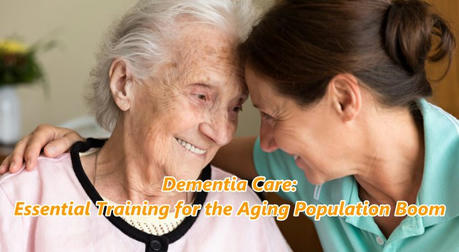
🧠 Dementia Care: Essential Training for the Aging Population Boom
As the United States experiences a surge in its aging population, dementia care training has become more critical than ever. The number of older adults living with cognitive decline is growing, placing new demands on caregivers, healthcare systems, and communities. This article delves into why dementia training matters, what such training involves, and how it can make a real difference.
-
-
 Nursing Courses
🎓 Are Online RN-to-BSN Programs Actually Respected by Major Hospitals?
Understanding Perception, Standards, and Career Value in Modern Healthcare
In recent years, RN-to-BSN programs delivered through online platforms have become increasingly common. Many registered nurses consider this path because it offers flexibility, academic progression, and access to broader professional knowledge. Yet one major question often arises:
-
 Nursing Courses
🩺NCLEX Prep: The Ultimate Guide to Cracking the Exam on Your First Try
The final and most critical step for a nursing student is achieving licensure by successfully passing the national examination. This high-stakes test is designed not merely to assess knowledge, but to determine a candidate's ability to make safe, competent judgments at the entry level of practice. While no single method guarantees success, adopting a strategic, disciplined approach can significantly increase a candidate’s likelihood of passing on the first attempt. Effective preparation relies on understanding the test format, prioritizing key content areas, and practicing meticulous study habits.
-
 Nursing Courses
👶 How to Specialize in Pediatric Nursing Without Losing Your Mind
Caring for children in a medical setting requires a unique combination of technical knowledge, compassion, emotional resilience, and patience. Pediatric nursing is one of the most rewarding yet demanding specialties in healthcare. According to the World Health Organization (WHO), children under the age of 5 account for a significant proportion of global healthcare interactions, making skilled pediatric professionals essential in clinics, community health centers, and hospitals.
For adults exploring a specialized healthcare path—particularly women in midlife seeking meaningful, purpose-driven work—pediatric nursing offers the opportunity to support families, comfort young patients, and contribute positively to community health. Specializing in this field not only enhances professional capabilities but also fosters personal growth and emotional fulfillment.
-
 Nursing Courses
💊Pharmacology Basics: Memorizing Meds Without Burning Out
Pharmacology represents a substantial hurdle for students aiming for clinical practice in the US healthcare system. The sheer volume of generic names, therapeutic uses, and critical safety warnings can quickly exhaust traditional study methods. Success requires shifting away from passive reading and adopting efficient, evidence-based cognitive strategies. These techniques restructure the information, transforming the learning process from a memory challenge into a systematic, sustainable skill.
-
 Nursing Courses
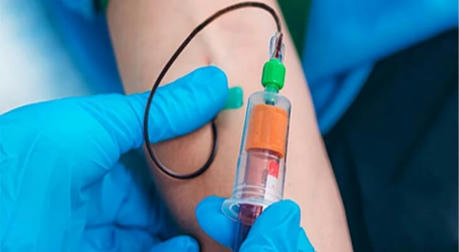
Phlebotomy 101: Why Drawing Blood is the Best Entry-Level Medical Skill
A short introduction: Phlebotomy—drawing blood safely and reliably—sits at the intersection of technical skill, human interaction, and laboratory science. This primer explains what phlebotomy is, why it is an accessible entry point into healthcare, and how real-world data and regulation shape training and practice. 😊
-
 Nursing Courses
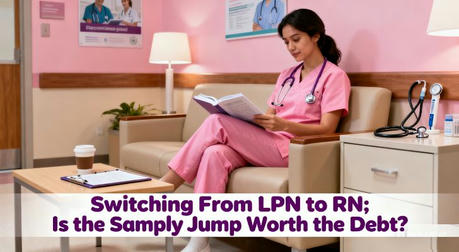
Switching From LPN to RN: Is the Salary Jump Worth the Debt?
Choosing to move from Licensed Practical Nurse (LPN) to Registered Nurse (RN) often involves balancing time, tuition, and career goals. This article lays out evidence, real-world data, and a decision process to judge whether pursuing RN credentials makes sense for a particular situation. 🩺📊
-
 Nursing Courses
🏥 Travel Nursing: How to Land High‑Paying Contracts Across the States
Travel nursing offers a professional adventure: caring for patients in different regions while working contracts. But navigating this path wisely demands strategy, research, and a clear-eyed view of risks and rewards.
TRENDING
- 🍅The Pomodoro Method: Why 25 Minutes is the Magic Number for Focus

- 🇪🇸Construction Spanish: Essential Phrases Every Job Site Manager Needs

- 🆘Why Every Parent Should Take a Basic Life Support (BLS) Course
- Personal Finance 101: Budgeting Methods That Don't Feel Like Homework

- Urban Gardening: Growing Food in Small Apartments and Balconies

- PMP Certification: Is Project Management Training Still Worth It in 2025?