
Urban Gardening: Growing Food in Small Apartments and Balconies
Life in densely populated American cities often presents a paradox: a yearning for fresh, homegrown food against the reality of limited space. For millions living in apartments and condos, the dream of gardening seemed out of reach. However, a growing movement proves that any small balcony, patio, or sunny windowsill can be transformed into a productive micro-farm. This article explores the essential techniques, surprising benefits, and critical considerations for cultivating edibles in minimal urban environments.
☀️ The Rise of the Micro-Farm Aesthetic
The trend of growing food in small spaces has accelerated across the United States, driven by a desire for food freshness and awareness regarding supply chain journeys. This practice offers city dwellers a direct connection 🌱 to their sustenance, bypassing long transit times. Urban gardening provides a rewarding hobby, turning otherwise unused exterior spaces into vibrant, edible landscapes, regardless of square footage limitations.
- High density living requires creative space utilization.
- The proximity to the kitchen guarantees peak freshness for ingredients.
- Small-scale cultivation offers independence from conventional produce cycles.
🪴 Maximizing Tiny Territories: Techniques that Work
Success in small-space gardening hinges entirely on verticality and container selection. Floor space is a luxury few possess, so experienced growers utilize walls, railings, and stacked shelving. Choosing the correct container depth is paramount; a shallow tray works for herbs, but root vegetables demand greater vertical room. Strategic placement based on sun exposure is a non-negotiable step for maximizing yield.
- Vertical stackable planters efficiently use balcony walls.
- Rail planters secure small containers without occupying floor space.
- Selecting terracotta over plastic helps regulate soil temperature in hot climates.
- Wick systems can be installed for passive watering during busy work weeks.
📈 Data Spotlight: Adoption and Nutritional Impact
A survey by the National Gardening Association (NGA) highlighted the rapid increase of household food gardening in metropolitan areas, particularly among renters. This growth points to the perceived benefits beyond just aesthetics. The ability to control inputs and minimize pesticide use is a key driver, alongside the pursuit of enhanced nutritional value.
| U.S. Urban Households (2020) | Households Growing Edibles | Primary Motivation Cited |
|---|---|---|
| 55 Million | 12% | Food Quality and Taste |
| 55 Million | 10% | Cost Savings and Hobby |
The data confirms that the pursuit of superior flavor and quality is the primary motivation for this investment of time.
🌶️ Selecting the Right Producers for Pots
Not all vegetables thrive in confinement. The secret lies in selecting cultivars known as "dwarf" or "container varieties." These plants are bred to reach maturity in restricted soil volumes while still offering substantial yields. These strategic choices minimize disappointment and maximize the efficiency of every square inch.
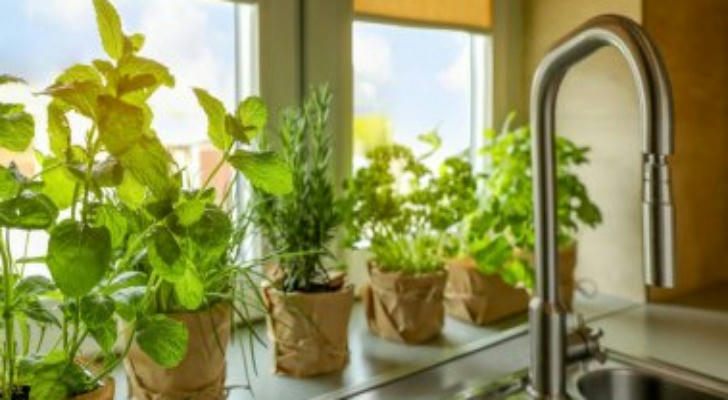
- Herbs (Mint, Basil): Require minimal depth; thrive on sunny windowsills.
- Leafy Greens (Lettuce, Spinach): Fast-growing and perfect for shallow troughs.
- Bush Beans & Peas: Use compact varieties that grow upward on small trellises.
- Cherry Tomatoes: Must use determinate varieties that stay compact and productive.
💰 Critical Look at Cost Versus Investment
While often framed as a cost-saving measure, a critical analysis suggests the initial financial outlay for quality potting medium, containers, and seeds can take several growing seasons to recoup. Gardening Study Group academic reports indicate the true value is realized in the intangible benefits: reduced carbon footprint from transportation and the psychological rewards of tending living things. The commitment of time, however, is substantial, often requiring daily attention during peak growing months.
💧 Operational Procedure: Setting Up Your Container Oasis
Starting a productive container garden requires careful procedural steps to ensure proper drainage and nutrient delivery. Skipping foundational steps, especially around drainage, leads to rapid plant failure. This procedure focuses on simple, easily accessible materials.
- Select Containers: Ensure containers possess sufficient drainage holes at the base.
- Prepare Media: Fill containers with a specialized, lightweight potting mix; garden soil compacts too easily.
- Sow or Transplant: Place seeds or starter plants according to their specific light needs.
- Initial Watering: Water thoroughly until moisture runs freely from the drainage holes.
- Fertilize: Begin a light, soluble feeding program after the first three weeks of growth.
🍎 Third-Party Verification and Sustainability
Urban farming has been verified by city agricultural programs, such as those in Seattle and Boston, as a genuine method of improving local food access and community health. These programs emphasize that small-scale gardening promotes sustainable practices by encouraging composting and water conservation. This collective effort, however small each individual plot, contributes to a more resilient local food system.
💡 Conclusion: The Empowerment of the Tiny Harvest
Urban gardening is more than a hobby; it is a declaration of empowerment in the modern concrete jungle. It teaches patience, offers a reliable source of fresh ingredients, and transforms overlooked spaces into productive havens. For residents of high-density areas, cultivating a tiny harvest offers immense satisfaction and a tangible connection to the natural world right outside the door. 🥕