
🐶 Dog Training: How to Stop Leash Pulling in 3 Simple Lessons
Leash pulling is one of the most common challenges dog owners face, especially with energetic puppies or strong adult dogs. According to data from the American Veterinary Medical Association (AVMA), nearly half of surveyed owners report difficulty maintaining consistent control during walks. While many training guides focus on obedience commands, effective leash training relies more on understanding canine behavior, managing excitement, and building predictable communication patterns.
A dog that pulls is not being “disobedient”—it is responding to instinct, stimulation, and unclear cues. This article breaks down the essential skills and structured practices needed to eliminate leash pulling through a realistic, behavior-based approach.
Why Leash Pulling Happens
- Dogs Walk Faster Than Humans
Most dog breeds naturally move at a pace faster than humans. Without training, a dog simply follows its natural rhythm. Studies published in Applied Animal Behaviour Science indicate that untrained dogs accelerate when stimulated by outdoor scents, movement, or environmental noise.
- Pulling Is Self-Rewarding
When a dog pulls and gains access to something exciting—grass, a tree, another dog—the behavior is reinforced. The external reward encourages repetition.
- Excitement Overrides Focus
Outdoor environments provide constant stimulation. Birds, cars, children, smells, and sounds create a sensory overload that makes attention difficult. Dogs without structured walking habits default to reacting instead of listening.
The Three Skills You Must Develop as a Handler
- Timing
Good leash work depends on the ability to reward or interrupt behaviors at the right moment. Delayed correction or praise can confuse the dog.
- Consistency
Dogs learn patterns. If leash rules change daily, the dog does not understand expectations.
- Calm Leadership
Research from the International Association of Animal Behavior Consultants (IAABC) highlights that calm, predictable human behavior reduces canine stress and increases responsiveness.
✔️ The 3 Lessons That Actually Stop Leash Pulling
Each lesson builds on natural canine instincts and clear communication.
Lesson 1: Teach Your Dog That Pulling Stops Forward Motion
This is the foundational principle behind loose-leash walking: pulling never results in moving forward.
How to Train It
The moment tension forms on the leash, stop walking.
Stay still until the dog releases pressure by stepping back or looking toward you.
The instant the leash loosens, resume walking.
This technique works because it removes the reward associated with pulling. Over time, the dog learns that tension equals no movement.
Why It Works
Behavior studies show that dogs modify their actions when outcomes consistently change. Without a reward for pulling, the behavior gradually decreases.
Lesson 2: Reinforce the “Reward Zone” Beside You
The position next to your leg—often called the “reward zone”—must become the most comfortable and predictable place for your dog to walk.
Training Structure
Begin in a low-distraction environment such as your living room or yard.
Hold a treat at your side and reward the dog whenever it stays close.
Add movement gradually, rewarding proximity and attention.
Once consistent, practicing outdoors strengthens the habit.
What This Builds
Focus
Predictable walking rhythm
Reduced reactivity
Automatic checking-in behavior
Dogs that understand where they should be are far less likely to pull elsewhere.
Lesson 3: Use Direction Changes to Build Attention
Changing direction trains the dog to watch your movements instead of scanning the environment.
The Technique
Walk in one direction.
If the dog begins moving ahead, turn and walk the opposite way.
Praise or reward the dog for following and reconnecting with you.
Repeat frequently during early sessions.
Why It’s Effective
Research on canine attention patterns shows that unexpected directional changes teach the dog to stay mentally “plugged in.” The walk becomes a cooperative activity rather than a tug-of-war.

Additional Skills That Make Training More Successful
- Structured Pre-Walk Routines
Short obedience exercises or calm pauses at the door help lower excitement levels before going outside.
- Equipment That Encourages Learning (No Brands Mentioned)
A well-fitted collar or harness can improve control, but equipment should never substitute training.
- Short, Frequent Practice Sessions
Training consistency matters more than duration. Five focused minutes often outperform a chaotic 30-minute walk.
- Reading Your Dog’s Emotional State
Overexcitement, anxiety, or fear can increase pulling. Recognizing these signs early helps you adjust pace, distance, or direction.
Who Benefits Most from This Training Approach?
This method suits: ✔ Adult dog owners wanting predictable, enjoyable walks ✔ New puppy handlers learning foundational skills ✔ Individuals seeking behavior-based rather than force-based techniques ✔ Dogs of all ages, energy levels, and backgrounds
Midlife adults often excel with this approach due to strong patience and routine-building ability.
How to Start Improving Today
Use these steps to integrate training into your daily walks:
Practice stopping each time the leash tightens
Reward the “reward zone” with praise and treats
Use direction changes to build attention
Keep early walks short and controlled
Practice in low-distraction areas before moving outdoors
Stay calm and predictable to reduce overstimulation
Small, steady habits compound quickly.
Final Thoughts
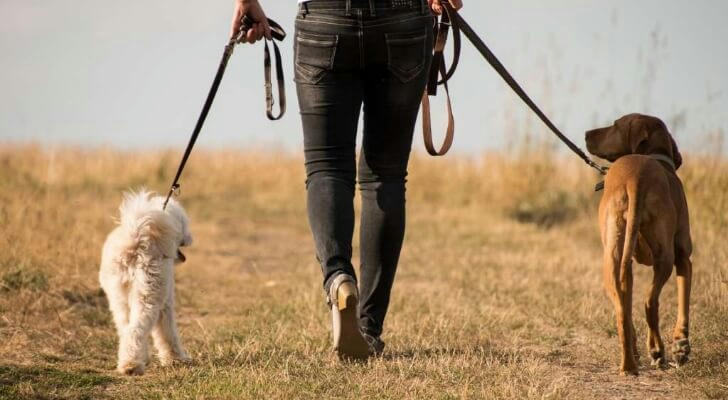
Stopping leash pulling is not about strength—it is about communication and consistency. Research in canine behavior repeatedly shows that dogs thrive when patterns are clear, rewards are predictable, and handlers remain calm. With structured training and patient practice, any dog can learn to walk politely on a loose leash.
When communication becomes clear and walking becomes cooperative, both dog and handler enjoy a more relaxed, connected experience.