
🆘Why Every Parent Should Take a Basic Life Support (BLS) Course
Emergencies don’t announce themselves — especially at home. For parents, knowing basic life support (BLS), including CPR, can be a quietly powerful way to protect a child (or any family member) when every second counts.
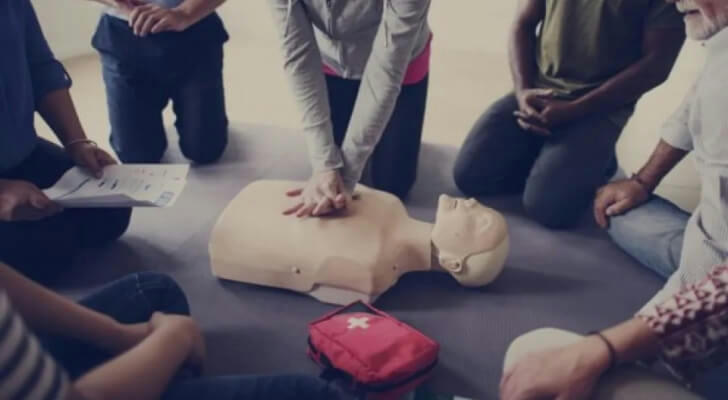
💓 The Reality of Cardiac Arrest at Home
In the U.S., more than 350,000 cardiac arrests happen each year outside of hospitals.
Only about 40% of those victims receive CPR from a bystander before professional help arrives.
When CPR begins immediately, survival chances can double or even triple.
Analysis:
Most arrests happen at home, so parents are often the first possible responders.
The low rate of bystander CPR means many victims miss a critical window.
Learning BLS is a practical step that directly addresses this gap.
📊 Survival Data That Matters
| Scenario | Statistic |
|---|---|
| Out-of-hospital cardiac arrests per year (U.S.) | ~350,000+ |
| Percentage receiving bystander CPR | ~40% |
| Survival to hospital discharge (EMS-treated, non‑traumatic OHCA) | ~9% for adults |
| Survival when CPR is initiated by bystanders | Roughly 13% when witnessed, with CPR |
Analysis:
The survival percentages are low, underscoring how fragile the situation is.
Early intervention (like CPR) clearly improves odds.
Even modest improvements in bystander response could impact thousands of lives.
🔍 Unequal Outcomes & Access
Research shows racial and ethnic disparities in bystander CPR.
In some communities, fewer people are trained, and access to resuscitation tools is limited.
That gap means children from certain backgrounds may be less likely to receive life-saving help before EMS arrives.
Critical Perspective:
Encouraging parents from all communities to take BLS training can help reduce these disparities.
Community-based training efforts must account for equity — not everyone currently has equal access.
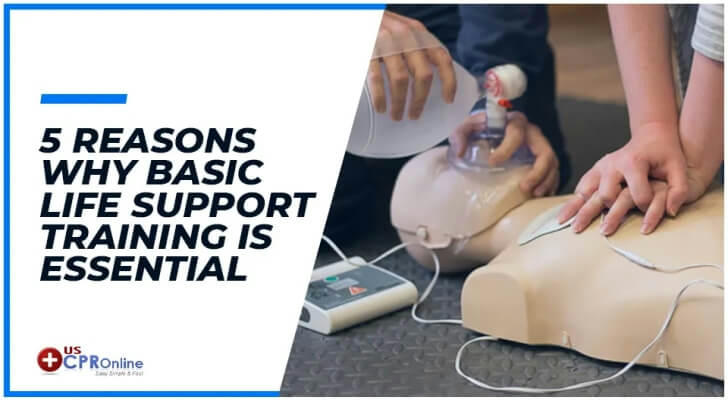
🧰 What Does Taking a BLS Course Look Like?
Here is a typical flow for a parent enrolling in BLS training:
Sign up for a certified BLS course (often offered by local health organizations or community centers).
Attend a class that teaches hands-only CPR, chest compressions, and rescue breaths.
Practice on a training manikin under instructor guidance.
Learn how to call 911, use an automated external defibrillator (AED), and coordinate with other helpers.
Receive a certificate of completion and refresher guidance for maintaining skills.
🧪 A Real‑Life Scenario
Imagine a parent in a suburban neighborhood — their child is playing in the living room, and suddenly, the parent finds the child unresponsive. Because the parent attended a BLS course:
They call 911 immediately.
They begin strong chest compressions, staying consistent until help arrives.
An AED is nearby, and another adult applies it correctly.
By the time EMS arrives, the child’s chances of recovery are stronger thanks to those few critical minutes of intervention.
🕒 Why Time Is So Critical
A study indicates that CPR started as early as two minutes after arrest gives the best chances, but even up to ten minutes still offers benefit.
Prompt CPR preserves blood flow to the brain and vital organs, reducing the likelihood of irreversible damage.
BLS training helps people act quickly, confidently, and effectively.
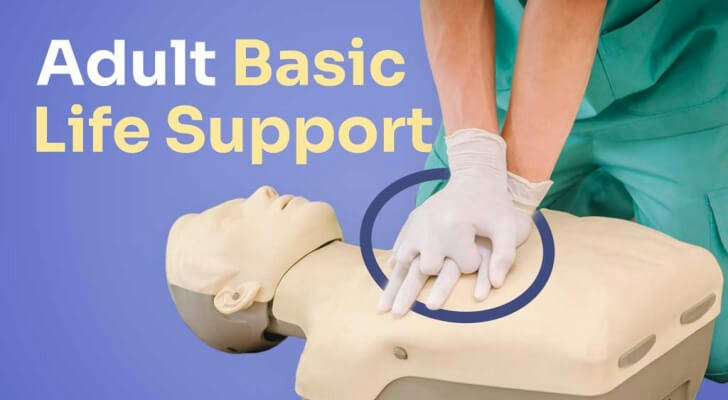
✨ Broader Benefits of Parents Knowing BLS
It empowers parents with life-saving skills rather than leaving them helpless.
It fosters a culture of readiness within the family — more people trained means more potential lifesavers.
It can build confidence: in a crisis, someone trained in CPR is much more likely to take action than someone uncertain.
Conclusion:
Taking a BLS course is not just a “nice-to-have” for parents — it's a grounded, evidence-based way to be prepared when seconds matter. With clear data on survival and strong benefits from bystander CPR, learning basic life support offers real protection and confidence. 🎗️