
Phlebotomy 101: Why Drawing Blood is the Best Entry-Level Medical Skill
A short introduction: Phlebotomy—drawing blood safely and reliably—sits at the intersection of technical skill, human interaction, and laboratory science. This primer explains what phlebotomy is, why it is an accessible entry point into healthcare, and how real-world data and regulation shape training and practice. 😊
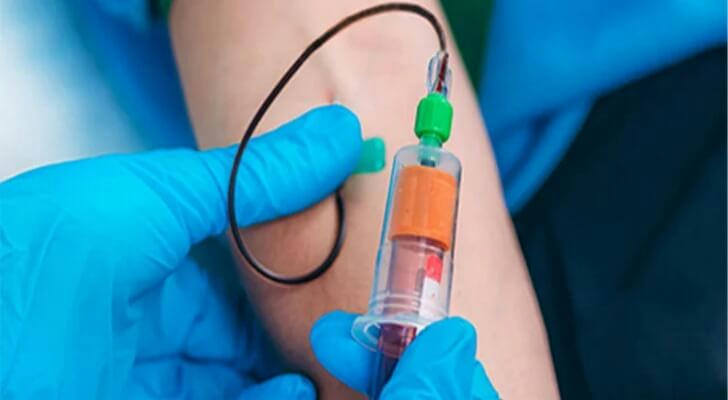
What phlebotomy actually is
Phlebotomy means collecting blood specimens for diagnosis, treatment monitoring, donation, or research.
Key aspects include patient communication, infection control, specimen labeling, and basic anatomy knowledge.
Phlebotomy is a distinct clinical function often performed in clinics, hospitals, mobile units, and labs.
Evidence snapshot — national numbers
Below is a concise table with authoritative figures that frame demand and scale.
| Metric | Value |
|---|---|
| Estimated employed (latest national data) | 137,000+ (approximate current workforce). |
| Projected employment change (2024–34) | ~6% growth — faster than average. |
| Average annual openings (replacement + growth) | ~18,000 per year (approx.). |
Critical note: these numbers come from national labor statistics and present a broad picture; local demand can differ by region and facility type.
Why phlebotomy is a smart entry point
Shorter, focused training compared with many clinical careers.
Frequent, repetitive practice builds competence quickly.
Work blends hands-on technique and communication skills—good for people who prefer active, practical tasks.
Training pathways and regulatory rules differ by state; a candidate should confirm local requirements before enrolling.
Typical training and regulatory checks
Common program lengths: a few weeks to a few months depending on setting and depth.
Example regulatory benchmark: one state requires a minimum of 40 hours of classroom plus clinical components for certification eligibility. This illustrates variability across jurisdictions.
Third-party verification & critique
Verification sources include federal labor data and professional laboratory organizations. These provide employment projections, training guidance, and minimum clinical competencies.
Critical perspective:
National figures mask local hiring cycles—urban medical centers and research labs behave differently from rural clinics.
Short programs vary in clinical exposure; more hours typically mean more practice with difficult draws.
Certification expectations differ: some employers expect a nationally recognized credential, others emphasize on-the-job competence.
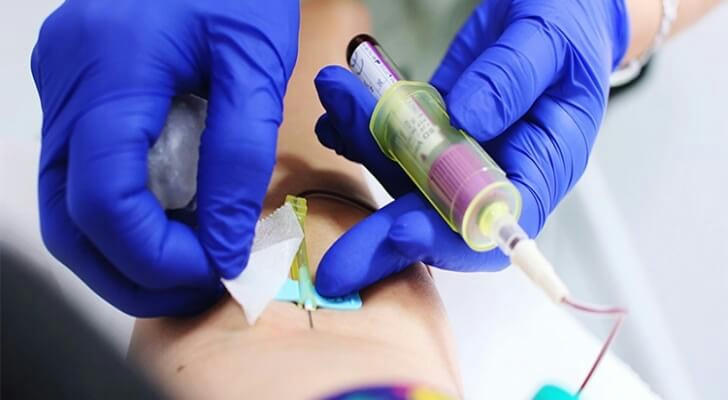
A short case study 😊 — "Clinic A" scenario
Setting: a medium-sized outpatient clinic implementing a new testing panel.
Challenge: increase specimen quality and reduce mislabeled tubes.
Action taken:
Introduced a 2-week refresher on labeling + one supervised practice per staff member.
Created a checklist for pre-draw ID verification.
Result: fewer labeling errors, faster accessioning.
Takeaway: simple process changes and focused practice reduce common errors.
Step-by-step: a basic venipuncture workflow (condensed)
Verify patient identity and order.
Prepare supplies and wash hands; apply gloves.
Select site, apply tourniquet, palpate vein.
Clean site, insert needle at correct angle, collect tubes in order of draw.
Release tourniquet, withdraw needle, apply pressure, label tubes immediately.
Dispose of sharps properly and document the collection.
- Each step has safety rationales: infection prevention, specimen integrity, patient comfort. Practice with supervision is essential.
Common pitfalls and how to avoid them
Pitfall: poor labeling. Remedy: label at bedside immediately after draw.
Pitfall: collapsed veins. Remedy: use smaller-gauge devices and adjust technique.
Pitfall: anxious patients. Remedy: calm, concise explanations and proper positioning.
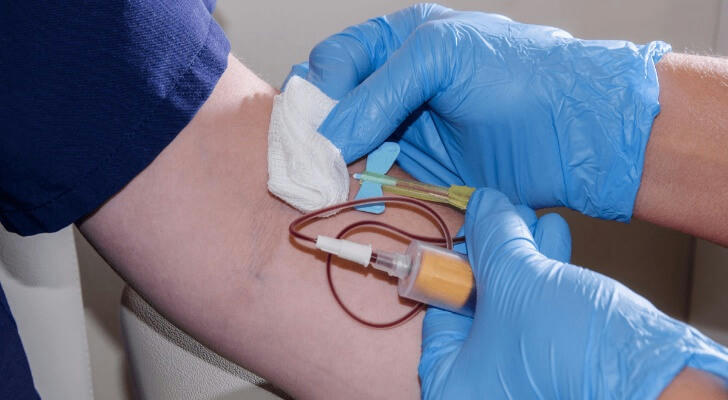
Practical advice for learners
Seek programs that include hands-on clinical hours; observation alone is not enough.
Ask about supervised draws with real patients and documented competencies.
Verify state rules early—some jurisdictions require specific course content or clinical hours.
Final thoughts — the realistic promise
Phlebotomy offers a focused way to practice clinical techniques, build confidence, and contribute directly to diagnostic care. The role is supported by national employment data and professional guidance, but success depends on quality of training, local practice rules, and deliberate supervised practice. Highlight: confirm local regulations and favor programs with meaningful hands-on experience.
Direct sources checked for this article: national occupational statistics and professional phlebotomy program guidance — used here for verification and critique.