
👶 How to Specialize in Pediatric Nursing Without Losing Your Mind
Caring for children in a medical setting requires a unique combination of technical knowledge, compassion, emotional resilience, and patience. Pediatric nursing is one of the most rewarding yet demanding specialties in healthcare. According to the World Health Organization (WHO), children under the age of 5 account for a significant proportion of global healthcare interactions, making skilled pediatric professionals essential in clinics, community health centers, and hospitals.
For adults exploring a specialized healthcare path—particularly women in midlife seeking meaningful, purpose-driven work—pediatric nursing offers the opportunity to support families, comfort young patients, and contribute positively to community health. Specializing in this field not only enhances professional capabilities but also fosters personal growth and emotional fulfillment.
What Is Pediatric Nursing Specialization?
Pediatric nursing specialization refers to the additional education and clinical training required to care for infants, children, and adolescents. A pediatric-focused training or certification program helps professionals gain knowledge in:
✔ Child growth and development ✔ Pediatric illnesses and medical conditions ✔ Family-centered communication ✔ Age-appropriate care techniques ✔ Emotional and psychological support
Training typically combines academic study, clinical rotations, case-based learning, and supervised practice. Many countries require a recognized certification before a nurse can work exclusively in pediatric settings, ensuring safe and developmentally appropriate care for young patients.
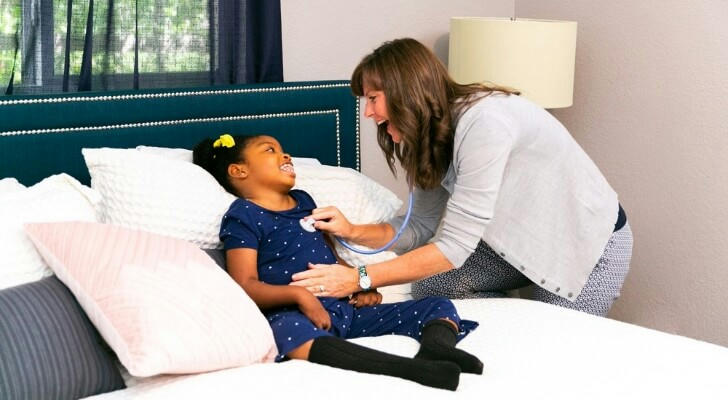
Why Specialize in Pediatric Nursing?
- Make a Direct Impact on Children’s Health and Development
Working with children provides an opportunity to influence lifelong health habits. Research published in the Journal of Pediatric Nursing suggests that early intervention and education significantly improve health outcomes as children grow.
Pediatric nurses often:
Provide emotional reassurance during medical procedures
Educate families on disease prevention
Support children managing chronic conditions
Promote healthy development and recovery
This makes the role highly impactful for both patients and families.
- Build Emotional Strength and Communication Skills
Children express discomfort, fear, and pain differently from adults. Learning to interpret nonverbal cues and communicate in age-appropriate ways enhances emotional intelligence and interpersonal effectiveness.
Many professionals who enter pediatric nursing report improvements in:
Conflict resolution
Patience and empathy
Ability to manage high-pressure situations
Communication with diverse family structures
Research from the American Psychological Association (APA) indicates that healthcare professionals working with children develop stronger emotional adaptability due to the unpredictable nature of pediatric care.
- Strengthen Clinical Expertise in a Specialized Field
Pediatric nurses often become highly skilled in tasks such as:
Administering child-safe medication dosages
Understanding age-specific vital signs
Managing pediatric emergencies
Coordinating care with families, educators, and specialists
This specialized knowledge can increase professional confidence and expand long-term career opportunities.
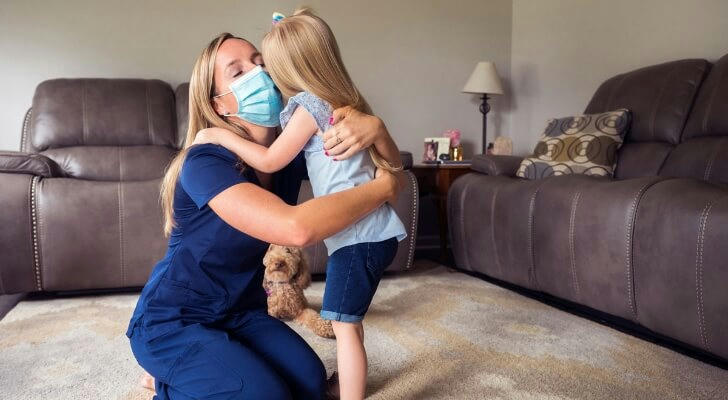
What Does Pediatric Nursing Specialization Training Cover?
A high-quality pediatric nursing program typically includes:
- Child Development and Behavioral Psychology
Understanding how children grow physically, emotionally, and cognitively is essential. Coursework often explores:
Developmental milestones
Emotional expression in infants vs. adolescents
Behavioral responses to illness or injury
Knowledge of these areas helps nurses identify abnormal symptoms early and support children effectively.
- Pediatric Diseases and Clinical Conditions
Training covers common childhood conditions such as:
Respiratory infections
Allergies and asthma
Gastrointestinal conditions
Developmental disorders
Childhood injuries
According to data from the Centers for Disease Control and Prevention (CDC), respiratory illnesses remain one of the most common reasons for pediatric medical visits, making this area especially important.
- Clinical Techniques and Safety Standards
Pediatric procedures require precision and careful handling, including:
Child-specific medication administration
Vaccination and immunization practices
IV insertion with size-appropriate equipment
Emergency stabilization techniques
The International Council of Nurses emphasizes that strict adherence to pediatric safety standards reduces the risk of clinical errors.
- Family Communication and Counseling
Because children rely on caregivers to make decisions, pediatric nurses must communicate clearly with parents and guardians. Training usually includes:
Delivering information with clarity and compassion
Helping families understand medical instructions
Offering coping strategies during stressful situations
Family-centered care is considered a core competency across global pediatric nursing guidelines.
Who Is a Good Fit for Pediatric Nursing?
Pediatric nursing benefits individuals who:
✔ Are patient, calm, and understanding ✔ Enjoy working with children ✔ Value emotionally meaningful work ✔ Can manage fast-paced and unpredictable environments ✔ Want to contribute to public health
Midlife adults often excel in the field due to their maturity, life experience, and steady emotional presence—qualities that can comfort both children and parents during difficult moments.
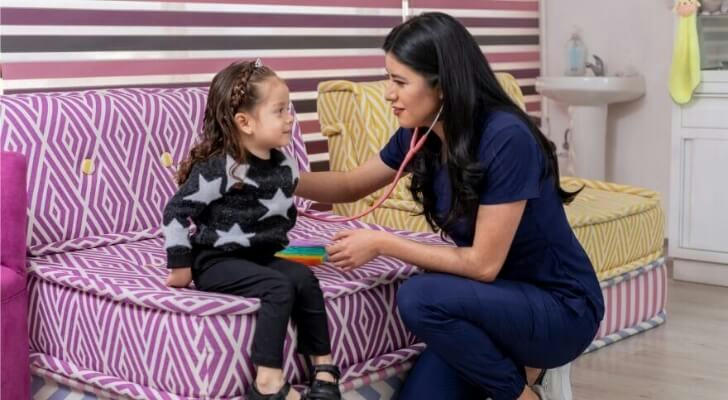
How to Start the Journey Toward Pediatric Nursing
If you are considering pediatric nursing as a specialization, the following steps can help guide your path:
Explore introductory materials on child development
Attend foundational nursing courses if you are new to healthcare
Enroll in pediatric-focused training or certification
Gain experience in child-centered environments such as schools or community programs
Continue ongoing education through workshops and professional associations
Building strong communication and observation skills is just as important as mastering technical procedures.
Final Thoughts
Pediatric nursing is both a challenging and deeply fulfilling specialty. It requires dedication, emotional strength, and a passion for supporting young people through illness and recovery. According to WHO projections, the demand for pediatric-trained professionals is expected to grow as global child populations increase and healthcare systems prioritize early intervention.
For adults seeking a meaningful path that combines compassion, specialized knowledge, and long-term growth, pediatric nursing offers a powerful way to make a difference. Specializing in this field equips individuals with skills that support families, promote child well-being, and strengthen community health.