
🧠 Dementia Care: Essential Training for the Aging Population Boom
As the United States experiences a surge in its aging population, dementia care training has become more critical than ever. The number of older adults living with cognitive decline is growing, placing new demands on caregivers, healthcare systems, and communities. This article delves into why dementia training matters, what such training involves, and how it can make a real difference.
1. Why Dementia Care Training Is Urgent
The U.S. is “gray-ing fast”: people 65 and older are projected to nearly double by 2030 compared to earlier decades.
According to Medicare data, 8.5% of those 65+ have diagnosed dementia.
Dementia is a major cause of death, contributing to over 288,000 deaths among Americans 65+ in 2022.
Without proper training, caregivers may struggle with behavioral challenges, safety, and emotional burden.
2. What Does Dementia Training Cover?
Dementia care training typically includes:
Understanding dementia biology
- Basic brain changes (e.g., Alzheimer’s disease is the most common type).
Recognizing symptoms
- Memory loss, confusion, impaired judgment, language issues.
Communication strategies
- How to speak clearly, slowly, and with patience.
Behavioral management
- Techniques for challenging behaviors: agitation, wandering, sundowning.
Daily care routines
- Assisting with bathing, eating, dressing, medications.
Safety planning
- Fall prevention, home modifications, risk assessments.
Emotional support
- Stress management, caregiver self-care, grief planning.
3. Real‑World Case Example: “Maria & Her Dad”
Maria, a daughter living in suburban Ohio, enrolls in a dementia‑care workshop at a local community center.
During training, she practices role‑play: how to talk to her father when he repeats questions, how to calmly redirect him, and how to keep him safe in his home.
She learns to create a simple daily schedule — morning grooming, mid‑day walk, quiet rest — helping reduce his confusion and anxiety.
After training, Maria notices fewer outbursts and more meaningful moments. She also networks with other caregivers, reducing isolation.
4. Key Data: Dementia in the U.S.
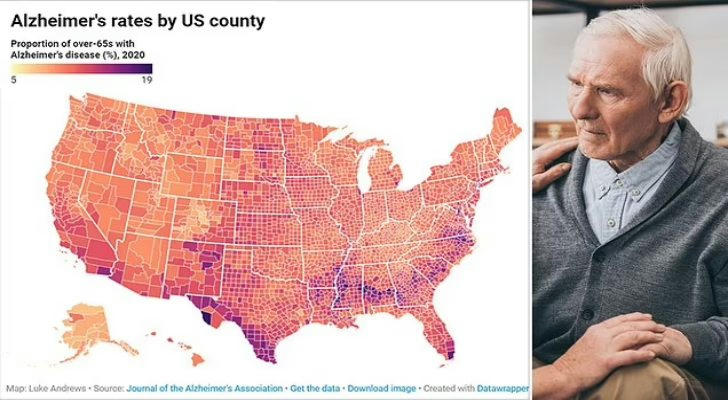
Here is a breakdown of some authoritative figures:
| Metric | Value / Insight |
|---|---|
| Estimated U.S. dementia prevalence (65+) | ~ 8.5% in Medicare FFS sample |
| Dementia‑attributed deaths in 2022 (65+) | 288,436 |
| Alzheimer’s disease projected growth | Expected to double in affected individuals by 2060 |
Analysis:
Even a “single-digit” prevalence rate means millions of Americans cope with dementia.
The increase in dementia-related deaths indicates that it is not only a chronic care issue but also a public health concern.
Training must scale to match projected growth in affected individuals.
5. Step‑by‑Step Guide to Setting Up Dementia Training
Assessment of local need
- Survey senior centers, home-care agencies, and hospitals: how many caregivers feel underprepared?
Curriculum development
- Use evidence-based modules: brain science, communication, safety, self-care.
Trainer selection
- Identify experienced geriatric nurses, social workers, or dementia specialists.
Delivery format
- Combine in-person workshops, online webinars, and simulated sessions.
Ongoing support
- Set up peer-support groups, refresher courses, and phone-in mentorship.
Evaluation and feedback
- Use surveys before and after training to measure change in confidence, knowledge, and stress.
6. Benefits of Investing in Training
Better trained caregivers can reduce hospitalizations caused by falls or medication errors.
Higher quality of life for people living with dementia: smoother routines, more meaningful communication.
Emotional resilience: trained caregivers are less likely to burn out.
Community strengthening: shared learning builds networks that buffer isolation.
7. Challenges & Considerations
Accessibility: Rural or underserved communities may lack local training resources.
Cultural sensitivity: Dementia presents differently across cultural groups; training must adapt.
Sustained funding: Programs need ongoing support to persist beyond a one-time grant.
Stigma: Misconceptions about dementia may discourage attendance or open discussion.
8. Looking Ahead: Future Trends
Emerging research into remote training tools, including VR simulations, could make learning more engaging 📱.
More integration of dementia training into healthcare curricula for nurses and social workers.
Growing partnerships with public health agencies to deliver at scale across states.
Potential policy advocacy: promoting caregiver training reimbursement via Medicare or Medicaid.

Conclusion
Dementia care training is no longer optional — it is an essential public health investment. As America’s population ages, equipping caregivers with science-based skills can transform quality of life for millions. By combining data, practical training, and real-world support, communities can rise to the challenge of the dementia boom with empathy, competence, and resilience. 💡