
Business English: Mastering the Art of the Polite Corporate Email
Brief introduction: Polite email writing is a workplace superpower. Clear tone, correct format, and respect for recipients' time improve outcomes and reduce miscommunication. Short examples and data below show why small changes matter. 🙂
Why politeness matters
Leads to smoother collaborations and clearer decisions.
Reduces follow-up clarification and meeting time.
Signals professionalism without sounding stiff.
How often email shapes work (data)
Radicati: worldwide emails per day (2024) — 361.6 billion.
Average incoming per user ~82 per day (estimate).
McKinsey: many organizations use hybrid schedules; email remains core to coordination.
| Metric | Source | Value |
|---|---|---|
| Worldwide emails/day (2024) | Radicati | 361.6 billion |
| Avg emails/user/day (2024 est.) | EmailToolTester (Radicati-based) | 82 |
| Share of organizations with hybrid work (2023) | McKinsey | 56% |
Quick rules for polite emails
Start with a brief greeting and recipient name.
State purpose in one sentence.
Use bullets for actions or deadlines.
Close with next steps and a polite sign-off. 😊
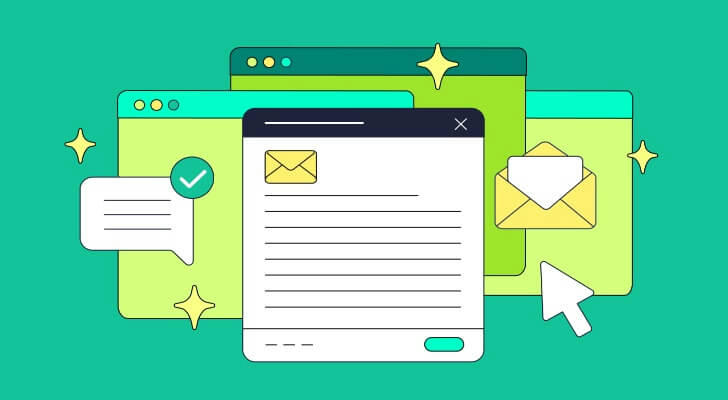
A simple template (case)
Subject: Project X — one-line purpose
Greeting: Hi Jordan,
Purpose: Quick note to confirm the timeline for the prototype (one sentence).
Action list:
Please review the attached spec by Thu, Nov 27.
Reply with approval or comment in-line.
Sign-off: Thanks, Alex
Example: fixing a tone problem
Problem: An aggressive-sounding follow-up that demands immediate action.
Fixes:
Add context: Why is the deadline important?
Soften: Use "Could you" rather than "Send".
Offer an out: "If this timing is tight, suggest alternatives."
Step-by-step checklist before sending
Read aloud one time.
Confirm single purpose per message.
Verify attachments and links.
Use subject line keywords: [Action], [Info], [FYI].
Add one-sentence summary in the first line.
Third-party verification & critique
Radicati documents scale but lack fine-grained role breakdowns; volume metrics come from sampling and commercial forecasting.
McKinsey reports that hybrid arrangements changed communication patterns; email load differs by seniority and function.
Caveat: averages mask extremes. Customer-facing teams often exceed average volume.
Tone across cultures
Directness varies by region; short, plain sentences work in many corporate settings.
For high-context cultures, add polite framing and one-sentence rationale.
When unsure, prefer clarity over verbosity; ask a quick synchronous check-in if tone might be misread. 😊
Common mistakes to avoid
Vague subject lines that hide action.
Multiple unrelated requests in one thread.
Overuse of CC that creates noise.
Starting with lengthy background before stating the ask.
Measuring email effectiveness
Track response rates for key requests.
Measure average time-to-reply for critical threads.
Monitor meeting minutes saved after clarifying emails.
Use small A/B tests: two subject lines or two first-line summaries.

Practical micro-habits
Set two daily reply windows to minimize context switching.
Build short reusable templates for recurring asks.
Label threads with prefixes: [Action], [Decision], [Info].
Limit signature length to one line for mobile readability.
Mini case study
Scenario: Team missed a handoff due to unclear ownership.
Intervention steps:
Send a clarifying email listing owners and deadlines in bullets.
Request a single reply that confirms each owner.
Monitor replies and summarize outcomes in one short update.
Result: Fewer follow-ups and quicker alignment.
Critical analysis of sources
Radicati provides robust aggregate counts but is a paid research firm; methodology centers on market data.
McKinsey offers organizational insights but emphasizes survey respondents from certain sectors; applicability must be judged for each context.
Recommend combining volume metrics with internal metrics to form realistic targets.
Concrete short templates (copy)
Scheduling: "Subject: Meeting — 15 min to align on X. First line: Quick ask: confirm availability Wed 10–11am."
Status: "Subject: Status — X. First line: One-sentence summary; bullets: blockers, next steps, owner."
Follow-up: "Subject: Follow-up [Action]. First line: Gentle reminder; single requested action."
Closing tips and ethical notes
Automated phrasing helps scale but requires review for tone and accuracy.
Respect privacy when CC'ing and avoid unnecessary distribution.
Treat email as one tool among many; structural process fixes may yield larger gains.
Accessibility note
Use plain language and short sentences for screen readers.
Provide meaningful attachment names and alt text for images.
Prefer text summaries over large PDF attachments when possible.
Final quick checklist
Subject clarity ✅
Single purpose ✅
Clear owner and deadline ✅
Polite close and concise summary ✅
Tiny experiment
- Test two subject lines on a small sample to see which yields faster replies; iterate monthly.