

-
 Training Courses
Cyber Awareness: Spotting Phishing Attempts Before They Crash Your Network
In today’s digital environment, staying alert to phishing attempts has become an essential workplace skill. Many professional training programs in Canada now include cyber-awareness modules supported by public agencies and community organizations. These programs are designed to help individuals recognize online fraud patterns, practice safe digital behaviours, and understand the responsibilities associated with handling sensitive information.
-
 Language Courses
🤟 ASL for Beginners: Why Sign Language Is a Career Booster in Healthcare
Learning American Sign Language (ASL) can be more than a personal skill—it can become a powerful tool in healthcare. For caregivers, nurses, and medical staff, ASL opens doors to better communication, stronger trust, and improved patient safety.
-
 Language Courses
Business English: Mastering the Art of the Polite Corporate Email
Brief introduction: Polite email writing is a workplace superpower. Clear tone, correct format, and respect for recipients' time improve outcomes and reduce miscommunication. Short examples and data below show why small changes matter. 🙂
-
 Language Courses
🇪🇸Construction Spanish: Essential Phrases Every Job Site Manager Needs
In the dynamic and high-risk environment of a United States construction site, clear, immediate communication is non-negotiable for safety and efficiency. Given the significant and growing contribution of Spanish speakers to the workforce, site managers must possess a practical vocabulary that goes beyond simple greetings. Mastering key construction Spanish phrases allows a manager to convey urgent safety warnings, issue clear instructions, and maintain project schedules, thereby fostering a culture of mutual respect and reducing linguistic barriers to success.
-
 Language Courses
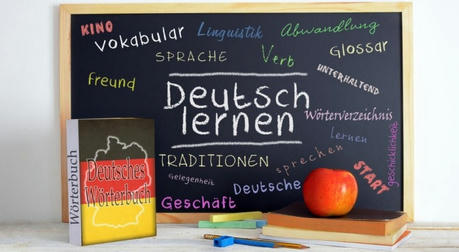
German Still the Language of Engineering?
The industrial world speaks many tongues, but for nearly two centuries, one language echoed particularly loudly in workshops, university lecture halls, and patent offices across Europe and beyond: German. This article explores the lingering influence of the German language on contemporary engineering and dissects the current linguistic reality in the predominantly English-speaking U.S. engineering ecosystem. It's a look at tradition versus the globalizing digital age.
-
 Language Courses
🇯🇵 Why Learning Japanese Through Anime Actually Works (To a Point)
Understanding the Benefits, Limitations, and Best Practices
Anime has become a global cultural phenomenon, attracting audiences far beyond Japan. For language learners, it also presents a unique opportunity: exposure to spoken Japanese in context. Many enthusiasts wonder if watching anime can meaningfully improve language skills. The answer is nuanced—anime can be a helpful supplementary tool, but it has limitations that learners should understand.
-
 Language Courses
Mandarin for Business: Key Phrases for Manufacturing and Logistics
Navigating the American industrial landscape, which is deeply interconnected with global manufacturing hubs, requires more than just spreadsheets and contracts. It demands sharp communication. Think of specialized Mandarin phrases as the master keys 🔑 that unlock smooth operations in factories and along intricate shipping routes. This piece dives into the practical, on-the-ground language crucial for managing the complex dance of production and delivery in today’s supply chain reality.
-
 Language Courses
Medical Interpreter: The Training You Need to Bridge the Language Gap
Medical interpreters play a critical role in healthcare settings, helping to bridge communication gaps between patients and medical professionals. With a growing number of non-English speaking patients in the U.S., the demand for skilled interpreters is increasing. This article explores the essential training needed to become an effective medical interpreter and how to navigate this rewarding career path.
-
 Language Courses
👂 How to Finally Understand French Spoken at Normal Speed
French learners around the world often share the same frustration: written French feels manageable, classroom dialogues sound clear, but real French speakers—especially Parisians, Québecois, or West African Francophones—seem impossibly fast. According to data from the Organisation internationale de la Francophonie (OIF), more than 300 million people speak French globally, and regional accents, speech rhythms, and informal expressions contribute to the difficulty many learners experience.
Understanding French at a natural conversational pace requires more than vocabulary memorization. It demands exposure, listening strategies, and a deeper awareness of how spoken language differs from its written form. This article outlines the key skills and training areas that are often overlooked in traditional language learning, helping learners build confidence and comprehension.
-
 Language Courses
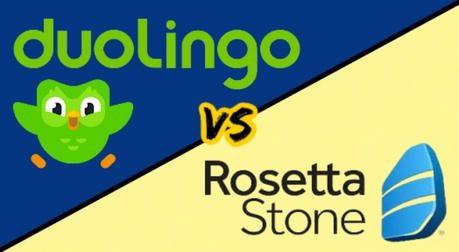
Rosetta Stone vs. Duolingo: Which One Actually Gets You Fluent?
When choosing a language-learning platform, two names consistently stand out: Rosetta Stone and Duolingo. Each offers a distinct approach to language acquisition, but which one really helps learners become fluent? In this article, we’ll explore the strengths and weaknesses of both platforms, backed by third-party data and scientific research, to determine which method is most effective.
TRENDING
- 🍅The Pomodoro Method: Why 25 Minutes is the Magic Number for Focus

- 🇪🇸Construction Spanish: Essential Phrases Every Job Site Manager Needs

- 🆘Why Every Parent Should Take a Basic Life Support (BLS) Course

- Personal Finance 101: Budgeting Methods That Don't Feel Like Homework

- Urban Gardening: Growing Food in Small Apartments and Balconies

- PMP Certification: Is Project Management Training Still Worth It in 2025?